
Introduction: By analyzing the recently circulated photos of computer rooms in Hong Kong schools, we can directly observe several shortcomings in the safety and protection of computer rooms in educational institutions. This article dismantles the problem from four dimensions: physics, environment, network and management, and proposes feasible improvement directions, aiming to provide reference for schools and education management departments.
Overview of the current status and common problems of the computer room
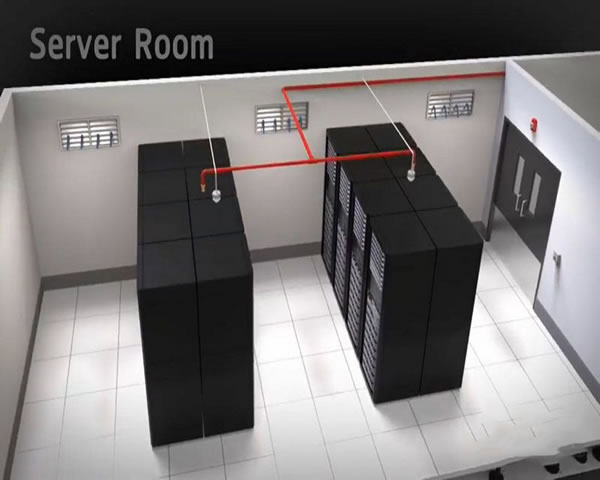
Many school computer rooms have limited space, equipment is compactly placed, cables are exposed and lack uniform identification, and cooling and ventilation design are often compromises. The photos reflect common problems such as unreasonable layout, unclear emergency passages, and insufficient safety equipment configuration. These are potential risk points for the operation and maintenance of the computer room.
Physical security risks visible from photos of Hong Kong school computer rooms
The photos show that some computer rooms have weak access control, no independent cabinets or the cabinets are not locked, and the equipment can easily be accessed by unauthorized personnel. The lack of fire separation, escape instructions and monitoring blind spots is also common. Insufficient physical protection will directly lead to increased risks of equipment misuse, damage or data leakage.
Weak power and thermal management
In the image, problems such as overloaded sockets, the use of temporary extension cords, and insufficient UPS configuration can be seen, and the air conditioning layout cannot effectively cool the computer room heat sources. Inadequate power and heat dissipation management can lead to frequent device restarts, hardware failures, and even fires. Priority should be given to evaluating and improving power supply and heat dissipation solutions.
Data and network security management shortcomings
The network equipment reflected in the computer room photos is mostly open, the network cables and optical fibers are not managed by zones, and there is a lack of clear topology identification. Such a physical network environment is not conducive to rapid troubleshooting and security isolation. It is easy to amplify the scope of impact when a fault or attack occurs, and it is difficult to guarantee data protection and access control.
Insufficiencies in management and system implementation
In addition to hardware and environmental issues, the photos also imply that many schools lack standardized processes for computer room management, such as missing inspection records, incomplete spare parts and emergency plans, and loose personnel authority management. Even if the investment in equipment is good, the lack of effective system implementation will lead to long-term accumulation of risks.
Improvement suggestions and implementation points
It is recommended to start from four levels: optimize the physical layout and install access control and monitoring; rectify the power and air conditioning system, configure necessary UPS and alarms; standardize network cabling and implement zoning and identification; establish inspection, backup and emergency plans, and clarify authority and training responsibilities. Phased implementation and combining risk assessment with budget prioritization.
Summary and call to action
By observing photos of computer rooms in Hong Kong schools, we can see the common shortcomings of educational institutions in computer room safety and protection. Schools and education authorities should pay attention to the security of computer rooms as educational information infrastructure, formulate and implement four-in-one improvement plans for physics, environment, network and management as soon as possible to reduce operational risks and ensure teaching and data security.
- Latest articles
- Popular tags
-

In-depth Understanding Of The Service Model And Advantages Of Hong Kong Hkt Computer Room
We will have an in-depth understanding of the service models and advantages of Hong Kong's HKT computer rooms, master the latest development trends of data centers, and help enterprises transform digitally. -

Enterprise-level Application Hong Kong Site Group Vps Load Balancing And Backup Solution Analysis
This article analyzes the Hong Kong site group VPS load balancing and backup solution for enterprise-level applications, covering key points such as architecture design, traffic distribution, caching and CDN collaboration, backup and recovery, security compliance and operation and maintenance monitoring, etc., to facilitate implementation by the engineering team. -
Recommended Best Platform For Purchasing Hong Kong Native Ip
this article recommends the best platform to purchase hong kong native ip to help users choose a suitable ip proxy service.